History is the story of humanity, a vast tapestry of civilizations, conflicts, innovations, and transformations that shaped the world we live in today. From the earliest human settlements to the digital age, understanding world history helps us comprehend how societies evolved, why current conflicts exist, and where humanity might be headed. This comprehensive overview covers the major periods and events that defined human civilization.
Prehistory and Ancient Civilizations
The Dawn of Humanity
Human history began millions of years ago, but recorded history only starts around 5,000 years ago with the invention of writing. Before that, during the Stone Age, early humans were hunter-gatherers who gradually learned to control fire, create tools, and develop language.
Around 10,000 BCE, the Neolithic Revolution transformed human society. People began domesticating animals and cultivating crops, leading to permanent settlements. This agricultural revolution allowed populations to grow and civilizations to emerge.
Ancient Mesopotamia: The Cradle of Civilization
Mesopotamia, located between the Tigris and Euphrates rivers in modern-day Iraq, is often called the cradle of civilization. The Sumerians developed one of the first writing systems called cuneiform around 3200 BCE. They built the first cities, including Ur and Uruk, and created complex irrigation systems.
The Code of Hammurabi, established around 1750 BCE, was one of the earliest written legal codes, establishing the principle of justice with its famous “eye for an eye” concept.
Ancient Egypt: Land of Pharaohs
Egyptian civilization flourished along the Nile River from around 3100 BCE. The ancient Egyptians built magnificent pyramids as tombs for their pharaohs, developed hieroglyphic writing, and made advances in mathematics, medicine, and astronomy.
The construction of the Great Pyramid of Giza around 2560 BCE remains one of humanity’s most impressive architectural achievements. Egyptian civilization lasted over 3,000 years, making it one of the longest-lasting civilizations in history.
Ancient China and India
In China, the Shang Dynasty (1600-1046 BCE) developed early Chinese writing and bronze casting. Later dynasties built the Great Wall and established the foundations of Chinese philosophy through thinkers like Confucius and Laozi.
In India, the Indus Valley Civilization (3300-1300 BCE) featured advanced urban planning with sophisticated drainage systems. Later, Hinduism and Buddhism emerged, profoundly influencing Asian culture and philosophy.
Classical Antiquity
Ancient Greece: Birthplace of Democracy
Ancient Greece (800-146 BCE) made extraordinary contributions to Western civilization. The Greeks developed democracy in Athens, created magnificent art and architecture, and laid the foundations of Western philosophy through thinkers like Socrates, Plato, and Aristotle.
Greek city-states like Athens and Sparta competed for dominance. The Persian Wars (499-449 BCE) saw Greek city-states unite to defeat the powerful Persian Empire. Later, Alexander the Great (356-323 BCE) created one of the largest empires in history, spreading Greek culture across three continents.
Ancient Rome: The Eternal Empire
Rome began as a small city-state in Italy around 753 BCE and grew into one of history’s most powerful empires. The Roman Republic (509-27 BCE) featured a complex system of government with checks and balances that influenced modern democratic systems.
Julius Caesar’s assassination in 44 BCE led to civil wars that ended the Republic. Augustus became the first Roman Emperor in 27 BCE, beginning the Roman Empire. At its height, the Roman Empire controlled territories from Britain to Egypt, from Spain to Mesopotamia.
Roman contributions include advanced engineering (aqueducts, roads, concrete), law systems that influence modern legal codes, and Latin, which evolved into Romance languages like Spanish, French, and Italian.
The fall of the Western Roman Empire in 476 CE marked the end of Classical Antiquity and the beginning of the Middle Ages in Europe.
The Middle Ages (500-1500 CE)
Early Middle Ages: The Dark Ages
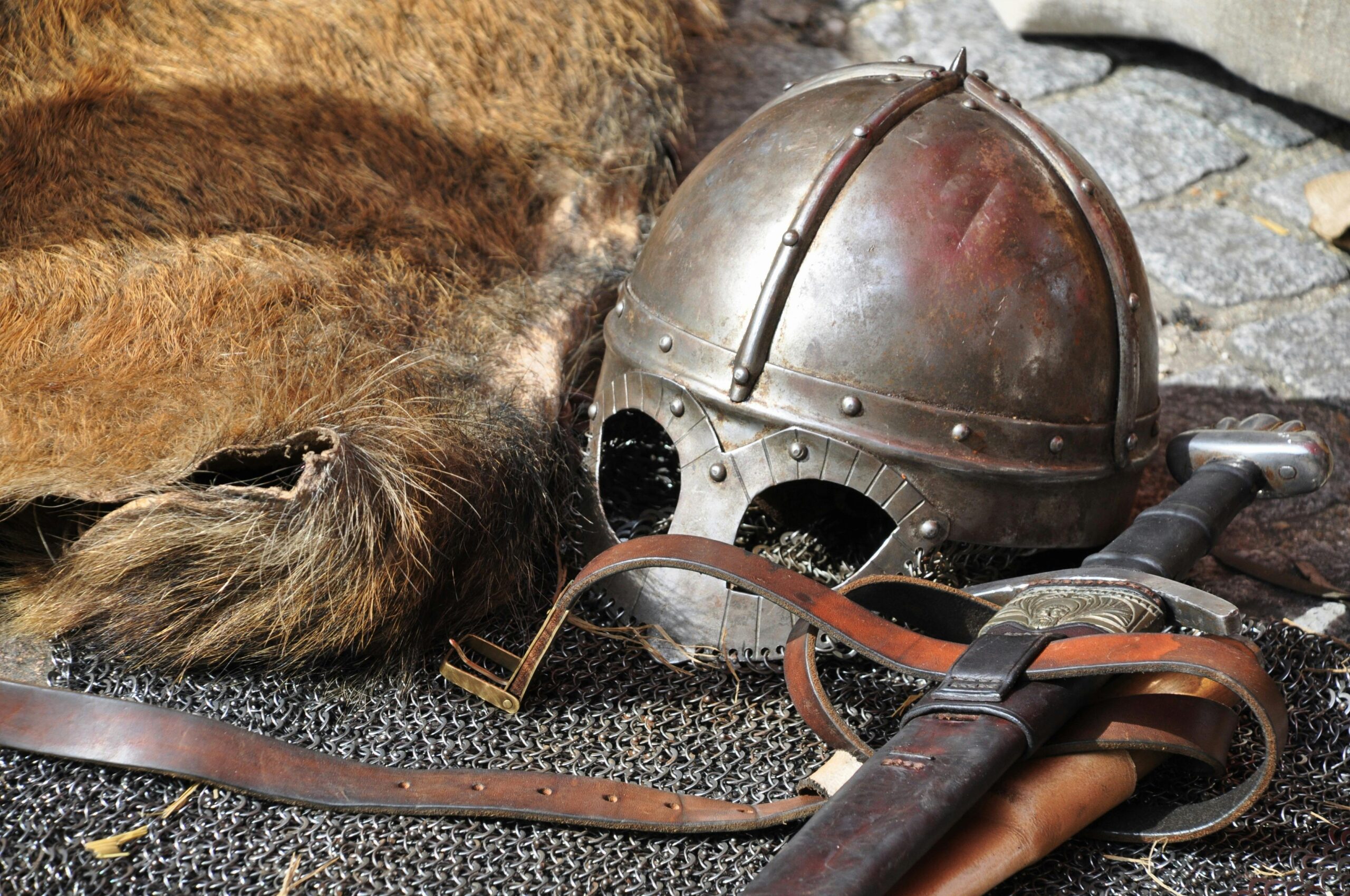
After Rome’s fall, Europe fragmented into smaller kingdoms. This period is sometimes called the Dark Ages due to reduced literacy and cultural production compared to Roman times, though this characterization oversimplifies a complex era.
The Byzantine Empire, the eastern continuation of the Roman Empire, preserved classical knowledge and Greek culture. Its capital, Constantinople, was one of the world’s greatest cities until it fell to the Ottoman Turks in 1453.
The Rise of Islam
In 622 CE, the Prophet Muhammad founded Islam in the Arabian Peninsula. Islamic civilization rapidly expanded, creating a vast empire stretching from Spain to India. Islamic scholars made significant advances in mathematics, astronomy, medicine, and philosophy, preserving and building upon Greek and Roman knowledge.
The Islamic Golden Age (8th-13th centuries) saw innovations like algebra, advances in optics, and the preservation of classical texts that would later fuel the European Renaissance.
Feudalism and Medieval Europe
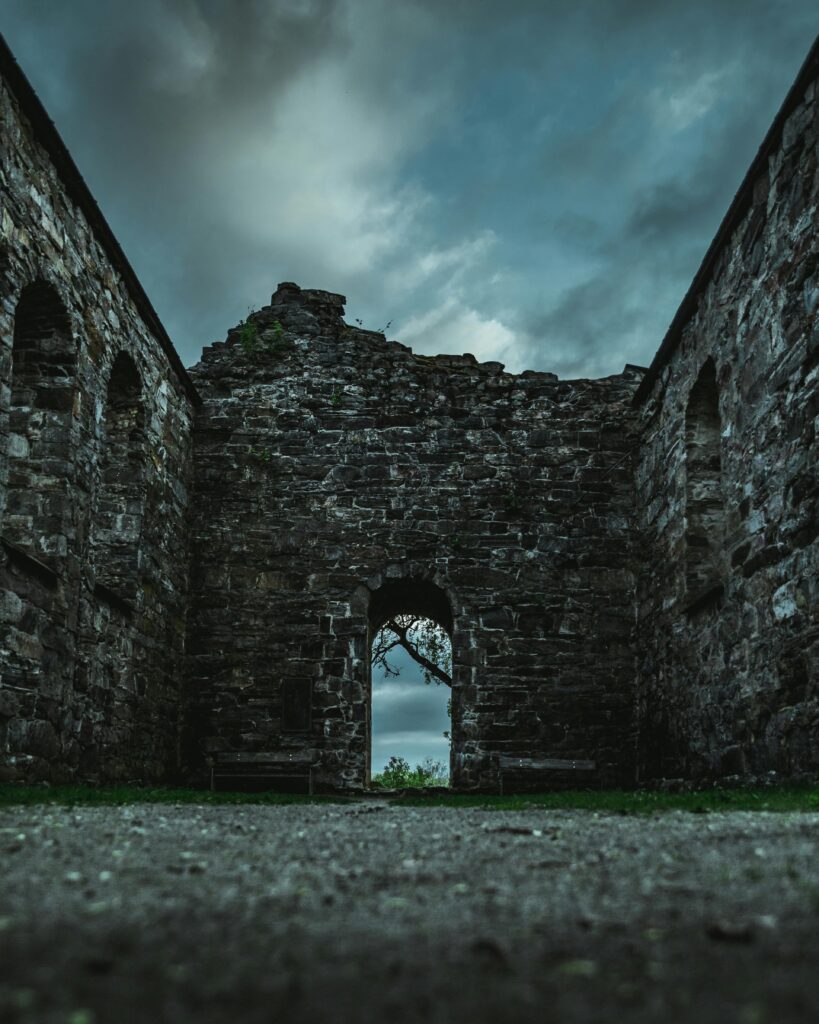
Medieval European society was organized under feudalism, a hierarchical system where lords granted land to vassals in exchange for military service. The Catholic Church held enormous power, influencing politics, education, and daily life.
The Crusades (1095-1291) were religious wars where European Christians attempted to reclaim the Holy Land from Muslim control. While militarily unsuccessful, the Crusades increased trade and cultural exchange between Europe and the Middle East.
The Black Death (1347-1353), a devastating plague, killed approximately one-third of Europe’s population, fundamentally altering medieval society and economics.
The Renaissance and Age of Exploration
The Renaissance: Rebirth of Knowledge
The Renaissance (14th-17th centuries) began in Italy and spread throughout Europe. This cultural movement emphasized humanism, classical learning, and artistic achievement. Figures like Leonardo da Vinci, Michelangelo, and Raphael created masterpieces that still inspire today.
The invention of the printing press by Johannes Gutenberg around 1440 revolutionized information distribution, making books more accessible and accelerating the spread of knowledge.
Age of Exploration
European nations began exploring the world, seeking new trade routes and resources. Christopher Columbus reached the Americas in 1492, though he believed he had reached Asia. Vasco da Gama sailed around Africa to India, and Ferdinand Magellan’s expedition circumnavigated the globe.
This exploration led to colonization and the Columbian Exchange, where goods, diseases, and cultures were exchanged between the Old and New Worlds. Unfortunately, this also brought devastating consequences for indigenous populations through disease, warfare, and exploitation.
The Reformation and Religious Wars
In 1517, Martin Luther challenged Catholic Church practices by posting his 95 Theses, sparking the Protestant Reformation. This religious movement split Christianity and led to decades of religious conflicts across Europe.
The Thirty Years’ War (1618-1648) devastated Central Europe, killing millions. The Peace of Westphalia that ended the war established principles of state sovereignty that still influence international relations.
The Enlightenment and Revolutions
The Age of Enlightenment
The 18th century Enlightenment emphasized reason, science, and individual rights. Thinkers like John Locke, Voltaire, and Jean-Jacques Rousseau challenged traditional authority and promoted ideas about natural rights, separation of powers, and social contracts.
These ideas profoundly influenced political revolutions and the development of modern democratic governments.
The American Revolution (1775-1783)
Thirteen British colonies in North America rebelled against British rule, declaring independence in 1776. The United States Constitution, adopted in 1787, established a democratic republic with separation of powers and individual rights, inspiring democratic movements worldwide.
The French Revolution (1789-1799)
The French Revolution overthrew the monarchy and attempted to create a republic based on Enlightenment principles. The revolution’s slogan “Liberty, Equality, Fraternity” captured its ideals, though the period also saw violence during the Reign of Terror.
Napoleon Bonaparte emerged from the revolutionary chaos, crowning himself Emperor in 1804. His military campaigns reshaped Europe before his final defeat at Waterloo in 1815.
The Industrial Revolution
Beginning in Britain in the late 18th century, the Industrial Revolution transformed economies from agriculture-based to manufacturing-based. Innovations like the steam engine, mechanized textile production, and railroads revolutionized production and transportation.
This period brought urbanization, economic growth, and technological progress, but also poor working conditions, child labor, and environmental pollution. The social problems of industrialization inspired new political ideologies including socialism and communism.
The Age of Imperialism
During the 19th century, European powers colonized much of Africa, Asia, and the Pacific. The “Scramble for Africa” divided the continent among European nations with little regard for existing cultures or boundaries, creating conflicts that persist today.
Imperial powers justified colonization through racist ideologies claiming European superiority. Colonial rule exploited resources and people, though colonizers claimed to bring “civilization” and development.
World War I (1914-1918)
A complex system of alliances, nationalism, imperialism, and militarism led to World War I. The assassination of Archduke Franz Ferdinand in 1914 triggered the conflict, which involved most major world powers.
The war introduced modern warfare with machine guns, tanks, chemical weapons, and trench warfare. Approximately 17 million people died. The Treaty of Versailles (1919) officially ended the war but imposed harsh terms on Germany, contributing to future conflicts.
The Interwar Period and World War II
The Great Depression
The 1929 stock market crash triggered a worldwide economic depression. Unemployment soared, economies collapsed, and political extremism grew as people sought solutions to economic hardship.
The Rise of Totalitarianism
Economic instability and political resentment facilitated the rise of totalitarian regimes. Adolf Hitler’s Nazi Party took power in Germany in 1933, Benito Mussolini ruled Fascist Italy, and Joseph Stalin controlled the Soviet Union through brutal dictatorship.
World War II (1939-1945)
World War II was the deadliest conflict in human history, killing an estimated 70-85 million people. Germany’s invasion of Poland in 1939 began the war in Europe. Japan’s expansion in Asia and the attack on Pearl Harbor in 1941 brought the United States into the conflict.
The Holocaust, Nazi Germany’s systematic genocide of six million Jews and millions of others, remains one of history’s greatest atrocities. The war ended with Germany’s surrender in May 1945 and Japan’s surrender in August 1945 after atomic bombs were dropped on Hiroshima and Nagasaki.
The Cold War Era (1947-1991)
After World War II, ideological conflict between the United States and Soviet Union dominated global politics. The Cold War featured nuclear arms races, proxy wars, and competition for global influence without direct military conflict between the superpowers.
Major events included the Berlin Blockade, Korean War, Cuban Missile Crisis, Vietnam War, and the Space Race. The construction and eventual fall of the Berlin Wall in 1989 symbolized the division and reunification of Europe.
The Soviet Union collapsed in 1991, ending the Cold War and leaving the United States as the world’s sole superpower.
Modern Era and Contemporary History
Decolonization
Following World War II, colonial empires dissolved as nations in Africa, Asia, and the Middle East gained independence. This process reshaped global politics and created new challenges as newly independent nations navigated development, governance, and national identity.
Technological Revolution
The late 20th and early 21st centuries witnessed unprecedented technological advancement. The development of computers, the internet, mobile technology, and artificial intelligence transformed communication, commerce, and daily life globally.
Globalization
Economic, cultural, and political interconnectedness increased dramatically. International trade expanded, multinational corporations grew in power, and information flowed globally almost instantaneously. However, globalization also generated concerns about inequality, cultural homogenization, and economic instability.
Contemporary Challenges
The 21st century faces unique challenges including climate change, terrorism, economic inequality, migration crises, and pandemic diseases. The COVID-19 pandemic beginning in 2019 demonstrated both global interconnectedness and persistent divisions in responding to shared threats.
Conclusion: Learning from History
Understanding world history provides context for contemporary issues and helps us recognize patterns in human behavior. History shows that societies evolve through conflict and cooperation, that technological change transforms civilizations, and that ideas can reshape the world.
While humanity has committed terrible atrocities, history also reveals remarkable achievements in art, science, philosophy, and social progress. The story of human civilization is ongoing, and the decisions made today will become the history studied by future generations.
By studying history, we gain perspective on current challenges, learn from past mistakes, and appreciate the complex forces that shaped our world. History reminds us that change is constant, that progress is neither inevitable nor linear, and that individual actions can have profound consequences.
The journey through world history reveals humanity’s capacity for both destruction and creation, cruelty and compassion. Understanding this complex past equips us to navigate an uncertain future with greater wisdom and perspective.

Related Posts